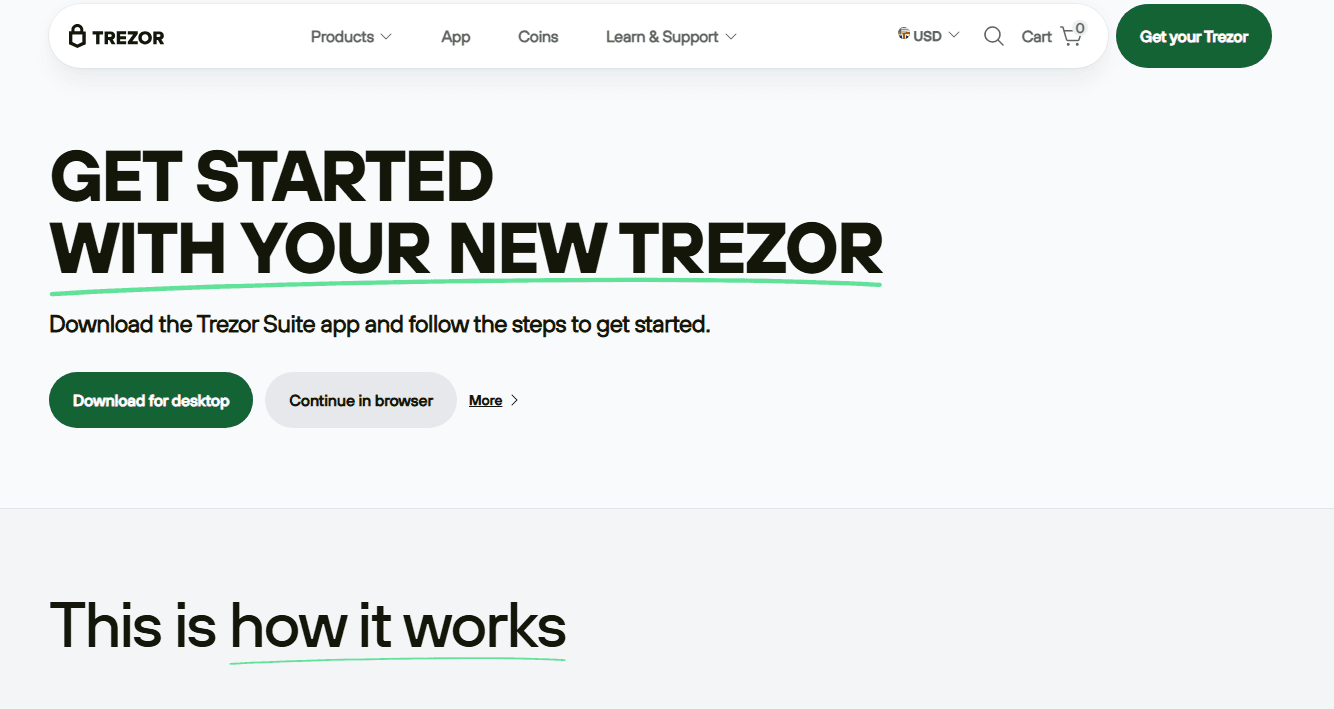
Trezor.io/start: A Practical Guide to Setting Up a Trezor Wallet
Digital assets require careful protection, and a hardware wallet is one of the safest storage options available. However, security depends heavily on how the wallet is initialized. Trezor.io/start is the official setup process designed to help users configure their Trezor wallet correctly and avoid security risks from the very beginning.
This article explains how the setup works, why it matters, and how users can keep their crypto safe long term.
Understanding the Purpose of Trezor.io/start
Trezor.io/start is the official onboarding method for Trezor hardware wallets. It guides users through device verification, wallet creation, and security configuration using approved software. This controlled process minimizes exposure to malware, phishing scams, and unsafe wallet practices.
Trezor devices are built to keep private keys offline, and proper setup ensures that this protection is never compromised.
Why Starting the Right Way Is Important
Many users lose access to cryptocurrency due to mistakes made during initial setup. Using unofficial instructions, ignoring security warnings, or mishandling backup information can lead to permanent loss.
Using Trezor.io/start helps users:
Confirm their device is authentic and unused
Generate private keys securely on the device
Create a trusted recovery backup
Enable strong access protection
These steps form the backbone of safe wallet usage.
Inspecting the Hardware Wallet
Before starting setup, users should carefully inspect their Trezor device. A genuine wallet arrives sealed and contains no pre-set PIN or recovery phrase. If a device shows signs of prior use, it should not be trusted.
Beginning with a new device ensures that only the owner has access to the wallet and its funds.
Installing the Official Wallet Interface
Trezor wallets operate through official wallet software that allows users to manage assets and approve transactions. Installing verified software is critical, as fake applications may attempt to capture sensitive data.
The official interface connects securely to the hardware wallet and ensures that private keys remain inside the device at all times.
Creating a Wallet on the Device
When users create a new wallet, all cryptographic keys are generated internally by the Trezor device. These keys are never displayed on the computer screen and never transmitted online.
During this step, the device generates a recovery phrase. This phrase is the only way to recover funds if the wallet is lost, damaged, or replaced.
How to Handle the Recovery Phrase Safely
The recovery phrase grants full access to the wallet. Anyone who has it can restore the wallet and control the assets.
To protect it properly:
Write the phrase clearly on paper
Store it offline in a secure location
Avoid digital storage or photographs
Never share it with anyone
Protecting the recovery phrase is the most important responsibility of a Trezor wallet owner.
Restoring a Wallet Using Backup
If a device is lost or stops working, the recovery phrase allows users to restore their wallet on another Trezor device. The restoration process rebuilds the wallet securely without exposing private keys.
This process happens directly on the hardware wallet, maintaining the same level of security as the original setup.
Securing the Device With a PIN
Trezor allows users to set a PIN code to prevent unauthorized physical access. The PIN must be entered each time the device is connected.
After several incorrect attempts, the device automatically enforces delays or resets, protecting funds even if the wallet is stolen.
Daily Use After Setup
Once setup is complete, users can safely send, receive, and manage cryptocurrency. Every transaction must be confirmed directly on the Trezor device, ensuring that no transfer occurs without physical approval.
This design protects assets even if the connected computer or phone is infected with malware.
Mistakes That Can Reduce Security
Even with a hardware wallet, poor habits can increase risk. Common mistakes include:
Following unofficial setup guides
Saving recovery phrases digitally
Sharing wallet information
Skipping firmware updates
Using the wallet on public or untrusted computers
Trezor.io/start helps prevent these issues through structured guidance.
Maintaining Security Over Time
Wallet security is ongoing. Firmware updates improve protection and compatibility, so keeping the device updated is important. Users should also periodically verify that their recovery phrase remains safe and readable.
Strong habits and regular checks help ensure long-term asset safety.
Final Summary
Trezor.io/start provides a secure and reliable way to begin using a Trezor hardware wallet. By following the official setup process, users can protect their recovery phrase, secure device access, and maintain full control over their cryptocurrency.