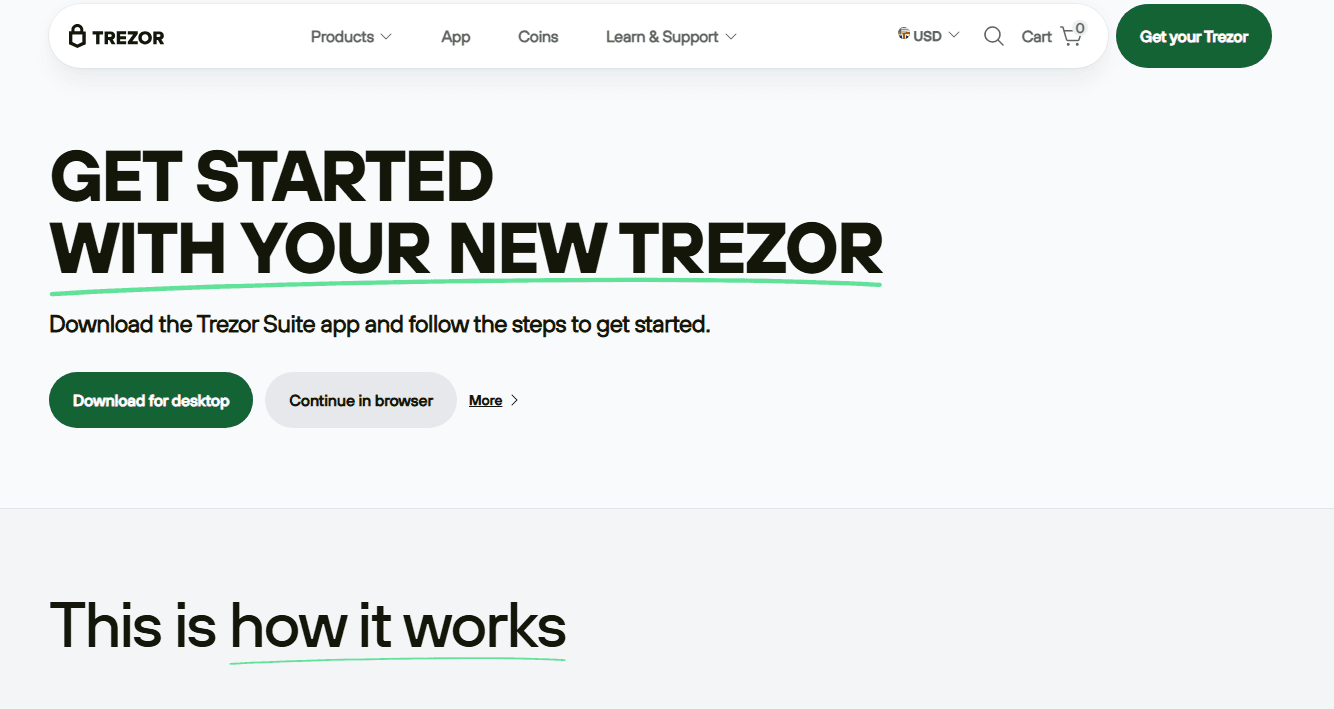
Trezor.io/start: A Beginner’s Guide to Starting With Trezor
Managing cryptocurrency securely begins with proper setup. While hardware wallets like Trezor are designed to protect digital assets, their security depends on following the correct initialization process. Trezor.io/start is the official starting point for safely setting up a Trezor device and ensuring full control of your crypto.
This guide explains how Trezor.io/start works, why it matters, and the steps to keep your wallet secure over time.
What Is Trezor.io/start?
Trezor.io/start is the official setup process for Trezor wallets. It provides step-by-step guidance for users to prepare the device, install the official wallet interface, and configure essential security features. Following this official procedure helps prevent scams, fake software, and mistakes that could compromise funds.
Why Setup Matters
Many cryptocurrency losses happen during the initial setup. Mistakes like using unofficial guides, skipping steps, or mishandling recovery information can result in permanent loss of access.
Trezor.io/start ensures that users:
Verify their device is genuine and unused
Generate private keys securely within the device
Create a reliable recovery backup
Set up strong access protections
These actions form the foundation of safe crypto management.
Inspecting Your Trezor Device
Before connecting your wallet, check the device carefully. A legitimate Trezor arrives sealed and contains no pre-set PIN or recovery phrase. If the device appears previously used, it should not be trusted.
Starting with a new device guarantees full control over your wallet.
Installing the Official Wallet Interface
Trezor wallets work through official software that allows users to manage accounts, monitor balances, and approve transactions. Using the official interface prevents exposure to malicious programs and ensures private keys remain offline.
Creating a New Wallet
During setup, the device generates all cryptographic keys internally. These keys never leave the Trezor and are never displayed on your computer or phone.
The device will show a recovery phrase, which acts as the only backup for your wallet. This phrase must be recorded carefully.
Protecting Your Recovery Phrase
The recovery phrase grants full access to the wallet. Anyone with it can restore your wallet without the physical device.
To secure it:
Write the phrase clearly on paper
Store it in a safe, offline location
Avoid digital storage or photos
Never share it with anyone
Safeguarding this phrase is the most important responsibility for any wallet owner.
Restoring a Wallet
If your device is lost, damaged, or replaced, the recovery phrase allows you to restore your wallet on a new Trezor device. Restoration happens entirely on the hardware wallet, keeping private keys secure.
Setting a PIN for Extra Security
A PIN code protects the wallet from unauthorized access. You must enter it each time the device is connected.
After repeated incorrect attempts, the device enforces delays or resets automatically, preventing brute-force attacks and protecting your funds.
Using Your Wallet Safely
Once setup is complete, you can send, receive, and manage cryptocurrency safely. Every transaction requires confirmation on the Trezor device itself, preventing unauthorized transfers even if your computer is compromised.
Common Mistakes to Avoid
Even with a secure wallet, certain habits can reduce safety:
Following unofficial setup guides
Storing recovery phrases digitally
Sharing PINs or recovery words
Skipping firmware updates
Using untrusted computers or devices
Trezor.io/start guides users step-by-step to avoid these mistakes.
Maintaining Long-Term Security
Security is ongoing. Keep your device firmware updated and check your recovery phrase periodically. Good security habits help ensure your crypto remains safe for years.
Conclusion
Trezor.io/start is the safest way to initialize a Trezor hardware wallet. By following the official setup steps, users can secure their recovery phrase, protect device access, and confidently manage their cryptocurrency.